
 By
By 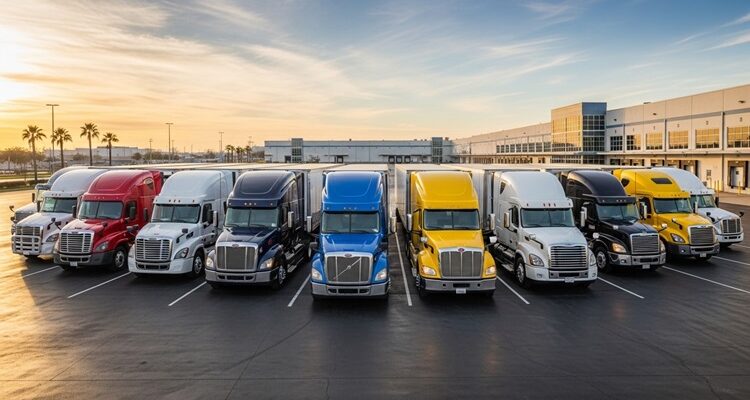
Investing in new commercial trucks for sale is a major decision for any business that depends on transportation, logistics, or on-site services. Whether you operate a small local fleet or manage large-scale commercial operations, choosing the right truck can directly impact productivity, operating costs, and long-term profitability. With advancements in fuel efficiency, safety technology, and customization options, modern commercial trucks offer more value than ever before.
This guide breaks down everything you need to know before buying a new commercial truck, helping you make a confident and informed purchase.
Table of Contents
Why Choose New Commercial Trucks Over Used Options
Many businesses consider used trucks to save money upfront, but new commercial trucks deliver advantages that often outweigh the initial cost difference.
New trucks come with full manufacturer warranties, reducing the risk of unexpected repair expenses. They also feature the latest engine technology, emissions compliance, and safety systems, which can significantly lower long-term maintenance and fuel costs. For companies that rely on uptime, reliability alone makes new trucks a smart investment.
Additionally, new vehicles allow for full customization, ensuring the truck fits your operational needs from day one.
Types of New Commercial Trucks Available
Understanding the different categories of commercial trucks is essential before making a purchase. Each type is designed for specific workloads and industries.
Light-Duty Commercial Trucks
Ideal for small businesses, delivery services, and trades like plumbing or electrical work. These trucks offer excellent maneuverability, lower fuel consumption, and easier licensing requirements.
Medium-Duty Commercial Trucks
Best suited for box trucks, flatbeds, and utility vehicles. They balance payload capacity with operational flexibility and are commonly used in logistics, construction support, and regional transport.
Heavy-Duty Commercial Trucks
Designed for long-haul freight, construction, and industrial applications. These trucks offer maximum towing and payload capacity, advanced braking systems, and high-torque engines.
Choosing the right class depends on how frequently the truck will be used and the weight it needs to handle consistently.
Key Factors to Consider Before Buying
Payload and Towing Requirements
Always evaluate your maximum payload and towing needs rather than average use. Overloading reduces vehicle lifespan and can lead to compliance issues.
Engine and Fuel Options
Modern commercial trucks offer diesel, gasoline, and alternative fuel options. Diesel engines remain popular for heavy workloads, while gasoline and hybrid models are gaining traction for urban operations.
Fuel Efficiency and Operating Costs
Fuel costs are a long-term expense. Even small improvements in miles per gallon can result in significant savings over the life of the truck.
Safety and Driver Assistance Features
Advanced features like lane departure warnings, blind-spot monitoring, and automatic emergency braking reduce accident risks and insurance costs.
Customization and Upfitting Options
One of the biggest advantages of buying new commercial trucks is the ability to customize them for your specific business needs.
Upfitting options include shelving systems, tool storage, refrigeration units, lift gates, dump beds, and specialized cargo compartments. Starting with a factory-new truck ensures the upfit integrates seamlessly without compromising performance or warranty coverage.
Custom builds also help improve workflow efficiency and driver productivity.
Financing and Ownership Considerations
Purchasing new commercial trucks does not always require paying the full amount upfront. Businesses can choose from financing, leasing, or fleet programs depending on cash flow and tax strategies.
Financing allows you to build equity while spreading costs over time. Leasing offers lower monthly payments and easier upgrades to newer models. Many manufacturers also provide fleet discounts for multi-vehicle purchases.
Consulting with a financial advisor can help determine which ownership model aligns best with your business goals.
Compliance, Emissions, and Regulations
New commercial trucks are built to meet current emissions and safety regulations, reducing the risk of non-compliance penalties. This is especially important for businesses operating across state lines or in regions with strict environmental standards.
Staying compliant also improves your company’s reputation and reduces administrative headaches.
When Is the Right Time to Buy?
If your current vehicles are experiencing frequent breakdowns, rising maintenance costs, or reduced efficiency, upgrading to new commercial trucks is often more cost-effective than continuing repairs. Growing businesses should also consider expansion needs early to avoid operational bottlenecks.
Buying new at the right time ensures your fleet supports growth rather than slowing it down.
Final Thoughts
Purchasing new commercial trucks for sale is more than just buying vehicles. It is a strategic investment in reliability, efficiency, and long-term business success. By understanding truck classifications, evaluating operational needs, and planning for customization and financing, businesses can maximize value from their purchase.
With the right approach, a new commercial truck becomes a dependable asset that supports daily operations, strengthens brand image, and drives consistent growth.









Comments