 By
By 
Discover the trends reshaping vehicle tracking and how an integrated platform delivers smarter, future proof results for fleets of every size.
Table of Contents
From dots on maps to decisive operations
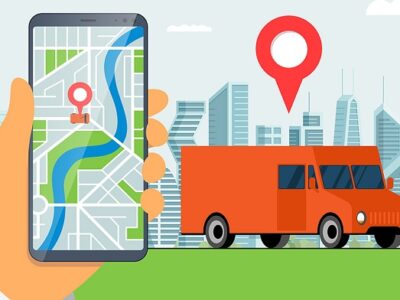
Vehicle tracking has moved far beyond a simple pin on a screen. Today’s leading platforms, such as Crystal Ball, turn movement data into practical guidance that managers can trust. They combine telematics, driver behaviour insights, incident evidence and automated reporting in one place. The result is faster decisions, smoother customer communication and less time spent juggling spreadsheets. In a climate where margins are tight and expectations are high, the real win is not information alone, it’s the confidence to act on it.
Data convergence that reveals the real story
Modern fleets produce dense streams of information, including GNSS location, ignition status, engine fault codes, driver identification events and camera markers. In isolation, each signal tells only part of the truth. Brought together, they show why deliveries run late, where fuel is wasted and which routes quietly erode profit. Converged data highlights patterns that a map cannot, such as repeated harsh braking before a specific junction or long idle times outside one customer’s depot.
Automation that reduces noise and saves hours
Managers want exceptions, not a flood of alerts. Rule based automation now handles out of hours movement, geofence breaches, power disconnections and idling thresholds with sensible priorities. Escalation paths route the right alert to the right person, while quiet periods avoid unnecessary interruptions. Scheduled reports arrive with the insights already calculated, so weekly reviews become a scan and decide task rather than a manual build. Automation cuts admin and helps teams focus on outcomes.
Intelligence that anticipates problems before they grow
The most useful systems turn data into forward looking guidance. Predictive maintenance blends usage patterns with engine diagnostics to flag vehicles likely to need attention. Driver risk dashboards summarise coaching priorities by depot and by route. Live ETAs combine current traffic with historic performance on specific corridors, which means fewer unpleasant surprises for customers. Intelligence that looks ahead reduces last minute costs and smooths the working day for office staff and drivers alike.
Security designed for modern threats
Criminal methods change quickly. Relay attacks, key cloning and signal interference can move a vehicle out of sight within minutes. A future proof platform layers protection. It verifies drivers, monitors ignition and movement, watches for tamper signals and triggers rapid alerts that flow to trained teams. In controlled scenarios, immobilisation provides a final safeguard when a vehicle is stationary and safe to disable. Reliable hardware and disciplined processes turn alerts into successful recoveries.
Compliance as a product, not an afterthought
Insurers expect certified devices and professional installation, while city regulations increasingly require evidence of safe operations. A well designed platform bakes these needs into everyday use. It produces verifiable audit trails, stores installation records and keeps pace with new guidance without frantic retrofitting. By treating compliance as part of the product, operators avoid last minute scrambles and protect service levels when rules tighten or when a claim is under review.
Integrations that connect the fleet to the business
Tracking only delivers its full value when it speaks to the rest of the organisation. Open integrations push verified mileage to payroll, time on site to job management and proof of service to customer portals. With a clean data pipeline, disputes fall away and teams work from one version of the truth. The practical effect is fewer phone calls, fewer manual adjustments and a clear line of sight from route planning to invoice.
User experience that drives adoption and trust
Great features fail if people do not use them. Drivers need clarity about what is recorded and why, along with simple steps for identification and checks. Managers need dashboards that reveal the essentials first and allow deeper dives only when needed. Training should be repeatable and light, so new starters become productive quickly. A platform that prizes usability earns trust, which in turn produces consistent data and better decisions across the fleet.
Scalability that fits today and grows with tomorrow
A trades firm with ten vans does not need the same configuration as a national carrier. The smart approach is modular. Start with live tracking and geofencing, then add driver identification, cameras, immobilisation or compliance modules as risk and complexity increase. This path protects budgets and avoids shelfware. It also reduces change fatigue, since teams adopt capabilities in logical steps rather than absorbing everything at once.
Sustainability and the shift to mixed energy fleets
As electric vans join diesel units, planners need tools that understand energy as well as distance. Charge planning, dwell time analysis and cost per mile comparisons help managers decide where to place vehicles and when to schedule jobs. Accurate baselines support investment cases for charging infrastructure and help demonstrate progress toward environmental goals. When tracking informs energy decisions, sustainability efforts move from aspiration to measurable practice.
Insurance partnerships that reward verifiable safety
Insurers value evidence. Certified devices, consistent coaching and clear incident histories reduce uncertainty and support better premiums over time. When a platform can prove that a fleet cuts harsh events, responds quickly to tamper alerts and maintains reliable hardware, renewals become smoother. Fewer referrals and faster claim cycles reduce stress as well as cost. The connection between safer operations and healthier insurance relationships becomes visible to finance teams and boards.
Why an integrated platform now outperforms point solutions
Buying individual gadgets for separate problems creates silos and duplicated effort. An integrated platform brings security, telematics, compliance and reporting together so that one data model serves many needs. Managers stop copying figures between tools and start asking better questions of the same trusted dataset. This shift improves resilience, since a single provider aligns hardware, software and support to one roadmap rather than leaving customers to knit everything together.
What to expect from a leader in the field
A leader in modern tracking brings together reliable devices, thoughtful software and serious support. It treats theft as an emergency, not as a ticket in a queue. It publishes robust APIs, not brittle connectors. It delivers reports that answer practical questions, not vanity charts. It trains installers and office users with equal care. It listens to regulations and customer feedback, then folds both into frequent, low friction updates that keep fleets ahead of change.
Taking the next step with confidence
If your priority is to simplify tools while improving protection, compliance and productivity, an integrated approach is the pragmatic choice. Review the features that solve immediate pain, map the modules that will unlock value in the next quarter and set clear adoption goals for drivers and managers. To explore how a unified ecosystem can support that plan, start with the official site for Crystal Ball. It sets out the full platform, from core tracking to advanced security and compliance.










Comments